How to Prevent Clothes From Shrinking
Heat, moisture and agitation are what shrink clothes. Control those three and most garments will keep their size for years.
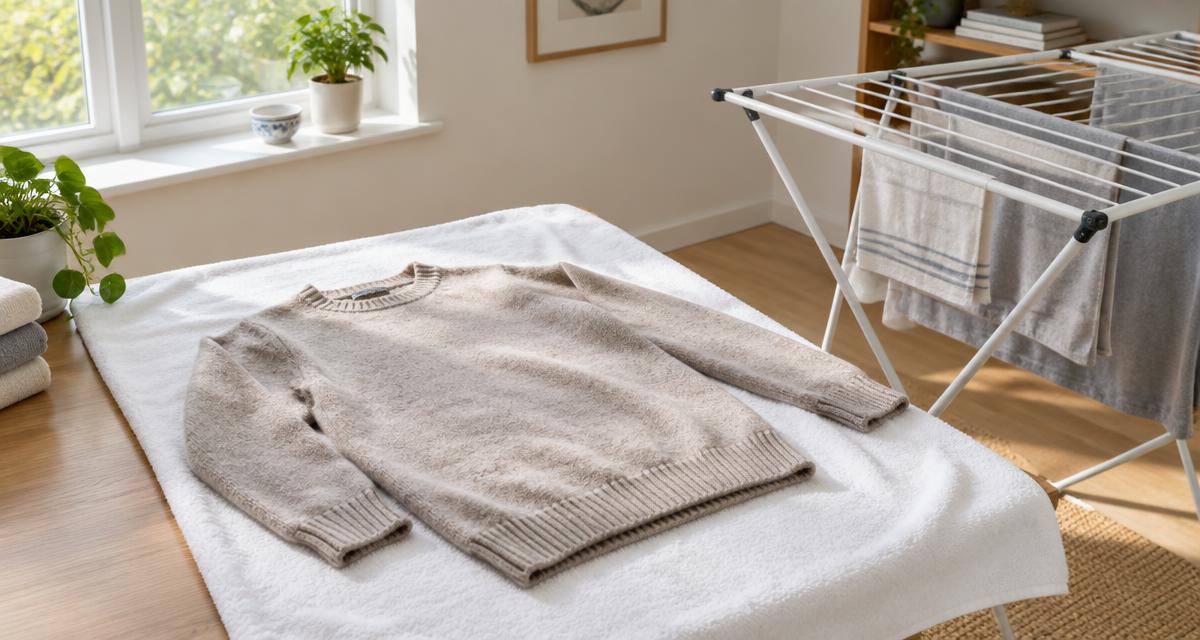
The short answer: wash in cold or cool water, use a gentle cycle, skip the tumble dryer (or use low heat) and follow the care label. Heat and agitation cause most shrinkage, and natural fibres like cotton and wool are the most affected.
Why clothes shrink
During manufacture, fibres are stretched and held under tension. Warm water and heat relax them, and they draw back towards their natural length. Wool has an additional problem: its fibres have tiny scales that lock together when rubbed in warm water, a process called felting, which is permanent.
Washing temperature
Most everyday clothing washes well at 30°C (86°F) or below with modern detergents. Reserve higher temperatures for items whose label allows it, such as towels and bedding.
Drying
Tumble drying is the biggest shrinkage risk. If you use a dryer, choose low heat and remove items while slightly damp. Air-drying is safest; lay knitwear flat so its weight doesn't stretch it out of shape.
Fabric differences
| Fabric | Shrinkage risk | Care focus |
|---|---|---|
| Cotton | Moderate to high (unless pre-shrunk) | Cool wash, low or no tumble drying |
| Wool | High (felting) | Hand wash or wool cycle, cold water, dry flat |
| Linen | Moderate | Cool wash, air-dry |
| Rayon/viscose | High | Cold, gentle wash or hand wash |
| Polyester | Low | Avoid high heat, which can damage the fibre |
| Nylon | Low | Cool wash, low heat |
Cotton
Cotton labelled "pre-shrunk" has already been treated, but may still shrink slightly on the first hot wash or dry. Wash cool and avoid high dryer heat.
Wool
Use cold water, a wool-specific detergent and minimal agitation. Never wring wool — press water out gently with a towel and dry flat.
Synthetic fabrics
Polyester, nylon and acrylic resist shrinking but can melt, glaze or lose shape under high heat. Blends behave partly like each fibre, so a cotton-polyester tee shrinks less than a pure cotton one. See cotton vs polyester for more.
Follow the care label
The manufacturer knows how the garment was constructed and finished. The label's temperature, drying and ironing symbols are the most reliable guidance for that item.
Common mistakes
- Washing everything on one hot cycle.
- Tumble drying wool or knitwear.
- Overloading the machine, which increases friction.
- Hanging heavy wet jumpers, which stretches them.
- Ignoring "hand wash" labels on rayon and delicate knits.
For fabric-by-fabric washing guidance, read how to wash different fabrics.