How to Remove Stains From Clothes
Act fast, blot rather than rub, and match the method to the stain. A practical guide to treating common stains safely at home.
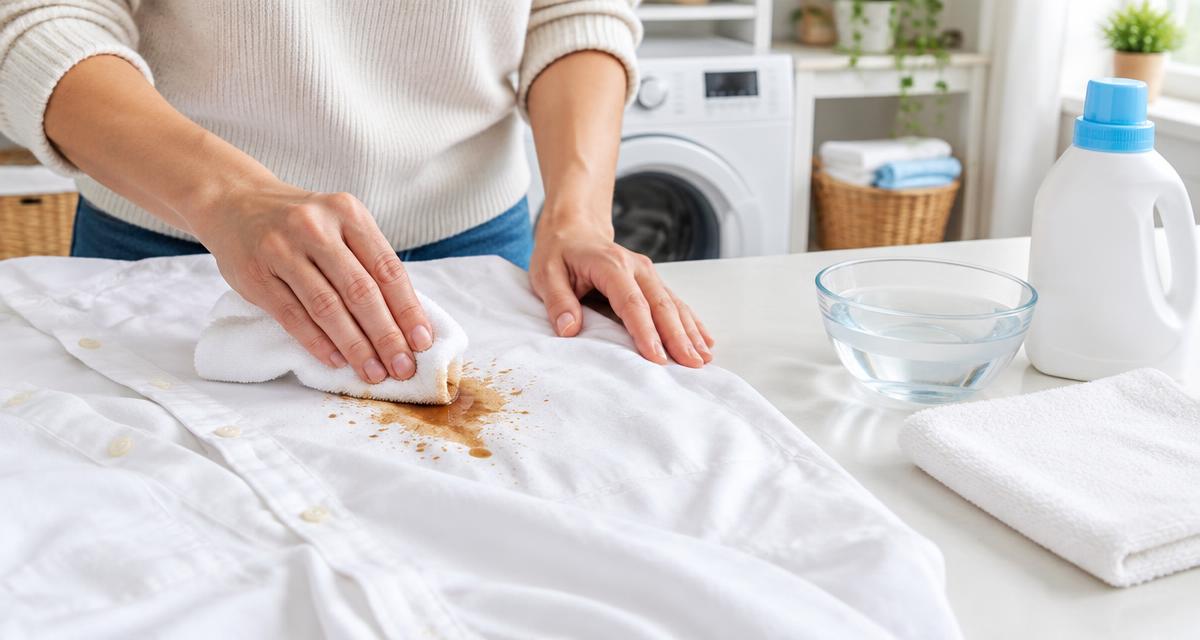
The short answer: treat a stain as soon as possible, blot away the excess, rinse from the back of the fabric with cold water, apply a little liquid laundry detergent, then wash according to the care label. Avoid heat — including the tumble dryer — until the stain is completely gone, because heat can set it.
General rules that apply to most stains
- Blot, don't rub. Rubbing pushes the stain deeper and can damage fibres.
- Work from the back. Rinse water through the reverse side to push the stain out rather than further in.
- Start with cold water. Hot water can set protein stains like blood and egg.
- Be patient. Several gentle treatments work better than one aggressive one.
- Air-dry and check. Only tumble dry once the stain has fully gone.
Common stains and how to treat them
| Stain | Type | General approach |
|---|---|---|
| Coffee and tea | Tannin | Rinse with cold water, work in liquid detergent, then wash. |
| Red wine | Tannin | Blot, rinse with cold water, apply detergent; treat before it dries. |
| Blood | Protein | Cold water only. Rinse, then soak in cold water with detergent. |
| Grass | Combination | Work in liquid detergent, leave a few minutes, wash as warm as the label allows. |
| Grease and oil | Oil-based | Blot excess, apply washing-up liquid or liquid detergent to break down oil, then wash. |
| Makeup | Oil/pigment | Treat with liquid detergent or washing-up liquid, then wash. |
| Sweat marks | Protein | Pre-treat with liquid detergent and wash; avoid high heat. |
| Ink | Dye | Results vary by ink type — blot and test a treatment on a hidden area first. |
Fabric-specific warnings
- Wool and silk: protein fibres — avoid enzyme ("bio") detergents and hot water. Use products made for delicates.
- Coloured fabrics: avoid chlorine bleach, which can strip colour. Oxygen-based stain removers are gentler but still test first.
- Synthetics (polyester, nylon): can hold oily stains; pre-treating before washing helps.
- Denim: rubbing hard can lighten the dye and leave a pale patch.
Safety notes
Never mix cleaning products — combining bleach with ammonia or acids produces dangerous fumes. Follow the directions on any stain remover, use it in a ventilated area and keep products away from children.
When to stop
If a stain doesn't budge after two or three gentle attempts, or the item is valuable or delicate, a professional cleaner has solvents and techniques that are safer than repeated home scrubbing.
Prevention helps too: our guide to washing different fabrics explains how each material likes to be cleaned, and the clothing materials guide covers what each fibre is like to live with.