Clothing Materials Guide: Cotton, Polyester, Linen, Wool & More
What each common fabric is like to wear, how to care for it and what it's typically used for — all in one place.
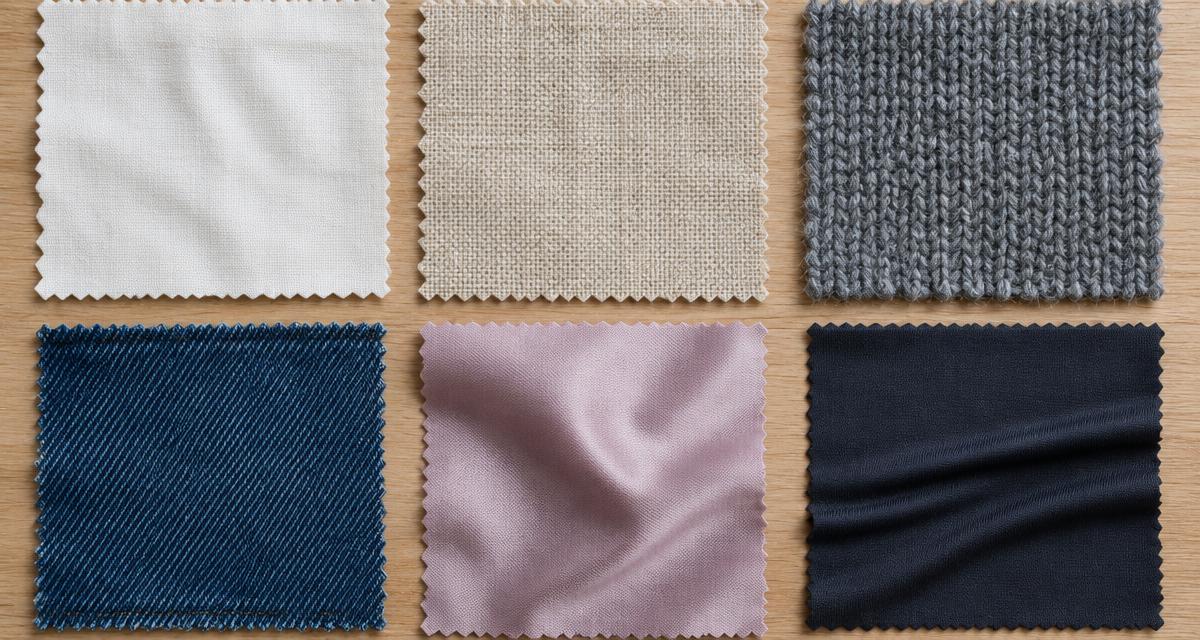
The short answer: natural fibres (cotton, linen, wool) tend to feel breathable and comfortable; synthetics (polyester, nylon, spandex) tend to be durable, quick-drying and stretchy; semi-synthetics like rayon drape softly. Many garments blend fibres to combine strengths. Always read the fabric composition and care label on the product.
Quick comparison
| Material | Type | Feel | Care | Common uses |
|---|---|---|---|---|
| Cotton | Natural (plant) | Soft, breathable | Easy; can shrink | Tees, shirts, jeans |
| Polyester | Synthetic | Smooth, varies | Easy; avoid high heat | Activewear, outerwear |
| Linen | Natural (flax) | Crisp, cool | Creases; air-dry | Summer shirts, trousers |
| Wool | Natural (animal) | Warm, soft to scratchy | Cold, gentle; dry flat | Jumpers, coats |
| Nylon | Synthetic | Smooth, strong | Cool wash, low heat | Outerwear, hosiery, sportswear |
| Rayon/viscose | Semi-synthetic | Soft, drapey | Delicate; can shrink | Dresses, blouses |
| Spandex/elastane | Synthetic | Stretchy | Cold wash; no high heat | Blended for stretch |
| Denim | Cotton twill (often blended) | Sturdy | Cold, inside out | Jeans, jackets |
Cotton
The most common clothing fibre. Soft, breathable and absorbent, but creases and can shrink with heat. Compare it directly in cotton vs polyester.
Polyester
Durable, crease-resistant and quick-drying. Widely used in activewear and blended into everyday clothes to help them hold shape.
Linen
Made from flax. Feels cool and airy, softens with washing and creases easily — a relaxed look many people like in summer.
Wool
Warm and naturally resilient. Finer wools such as merino feel softer. Needs gentle, cool washing to avoid felting and shrinking.
Nylon
Strong, light and abrasion-resistant. Common in jackets, bags, swimwear and tights. Sensitive to high heat.
Rayon / viscose
Made from regenerated cellulose (often wood pulp). Soft with a lovely drape, but can be weaker when wet and may shrink — follow care labels closely.
Spandex / elastane
Rarely used alone. A small percentage adds stretch and recovery to jeans, leggings and activewear. Heat wears it out over time.
Denim
A sturdy cotton twill weave, usually with indigo-dyed yarns. Rigid denim is 100% cotton; stretch denim blends in elastane.
Reading fabric labels
Composition is listed by percentage, largest first. A tee that's "60% cotton, 40% polyester" will feel mostly like cotton but shrink and crease less. For care tips by fabric, read how to wash different fabrics.
Put this into practice as you browse clothing: check the composition on each product page.