How to Choose Running Shoes
There's no single best running shoe. Match the shoe to where and how far you run, then prioritise a comfortable fit.
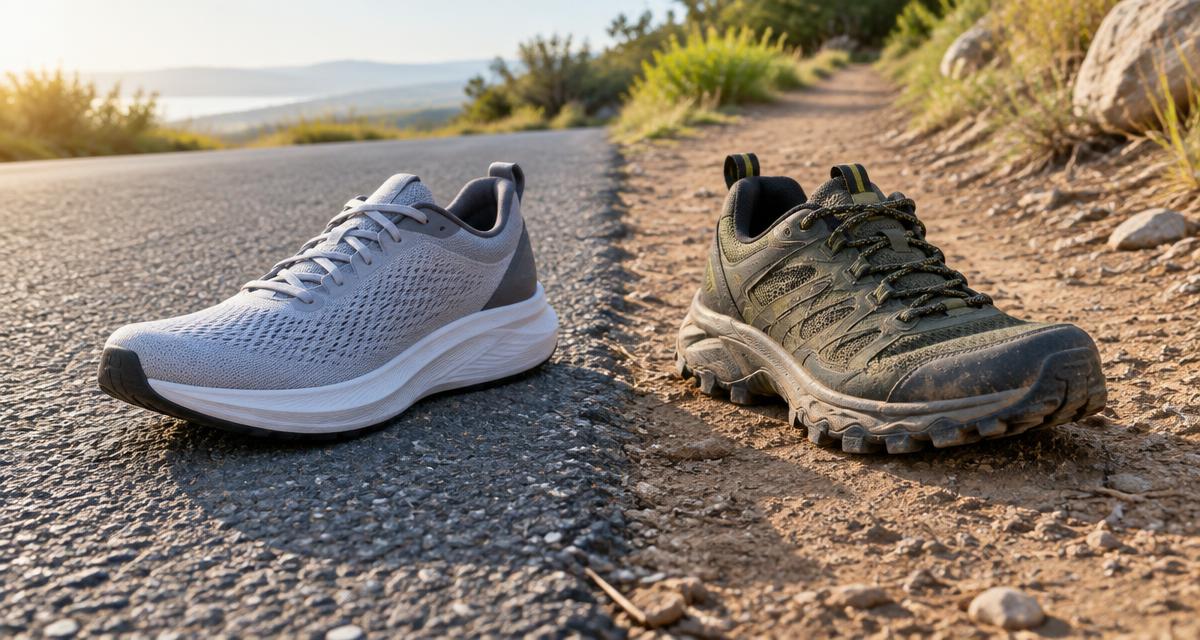
The short answer: choose a shoe designed for your main running surface, then prioritise comfort and fit above everything else. Cushioning level and shoe type are largely personal preference. If you have pain or an injury, get advice from a qualified health professional rather than relying on a shoe to fix it.
Running surface: road vs trail
| Road | Trail | |
|---|---|---|
| Outsole | Smoother, flatter | Deeper lugs for grip |
| Upper | Lighter, breathable | Tougher, often with toe protection |
| Best on | Pavement, track, treadmill | Dirt, gravel, mud, rocky paths |
| Weight | Usually lighter | Usually heavier |
If you run on both, a road shoe handles light, dry trails; a trail shoe on pavement tends to feel firmer and wear its lugs faster.
Fit
- Leave roughly a thumb's width between your longest toe and the front of the shoe — feet can swell on longer runs.
- The heel should feel secure without slipping.
- The toe box should let your toes spread naturally.
- Try shoes on in the afternoon with the socks you run in.
Cushioning
Shoes range from minimal to maximum cushioning. More cushioning can feel softer over long distances; less can feel more responsive. Neither is universally better — comfort is a reasonable guide.
Shoe type
Some shoes are labelled "neutral" and others "stability", with stability shoes adding features intended to limit how much the foot rolls. Research on matching shoe type to foot type is mixed, so treat these labels as options to try rather than prescriptions.
Distance and use
- Short runs and gym use: lighter, versatile trainers.
- Longer distances: many runners prefer more cushioning and a roomier toe box.
- Speed sessions: lighter, firmer shoes feel more responsive.
Sizing
Running shoe sizes often differ from casual shoes and between brands. Measure your foot length and compare with each product's size chart. Many runners go up half a size from their everyday shoe.
Common mistakes
- Buying for looks over fit.
- Choosing shoes that are too small.
- Using trail shoes mostly on roads, or road shoes on muddy trails.
- Running in worn-out shoes long after the cushioning has compressed.
Browse men's sneakers, women's shoes and fitness gear. For running clothing, see cotton vs polyester.