How to Measure for a Shirt
Chest, shoulders and sleeves decide how a shirt fits. Here's how to measure each one and match them to a size chart.
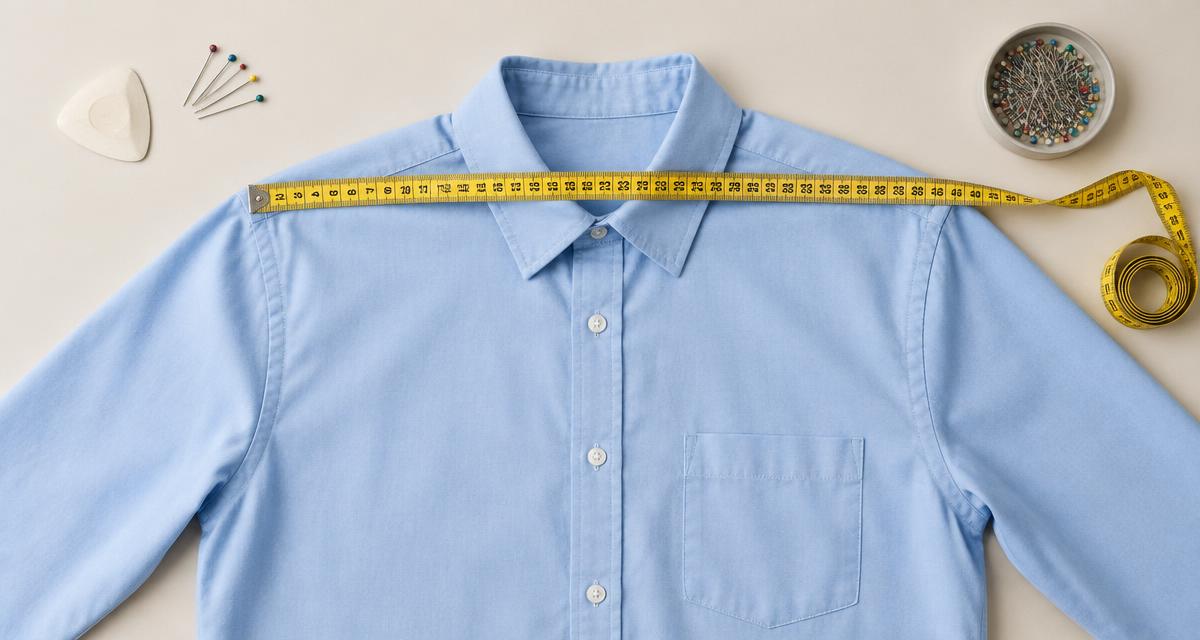
The short answer: measure your chest, shoulder width and sleeve length (and neck, for collared dress shirts). Shoulders are the hardest thing to alter, so if you have to choose between sizes, pick the one whose shoulders fit.
Chest
Measure around the fullest part of your chest under the arms, keeping the tape level. For a shirt laid flat, measure across from armpit seam to armpit seam and double it.
Shoulder width
Measure across the back from one shoulder point to the other. On a shirt, measure from shoulder seam to shoulder seam. A shoulder seam that sits well past your shoulder makes a regular shirt look too big; one that sits inside it feels tight.
Sleeve length
Size charts use two methods, so check which one the product uses:
- From the shoulder: shoulder point to wrist bone, with the arm slightly bent.
- From the centre back: centre of the back of the neck, across the shoulder and down to the wrist — common for dress shirts.
Shirt length
Measure from the highest point of the shoulder, next to the collar, down to the hem. Shirts meant to be tucked in are longer; casual shirts are often shorter so they can be worn untucked.
Neck / collar
For collared dress shirts, measure around the base of your neck where the collar sits, leaving room for one finger. Casual shirts and T-shirts rarely list a collar size.
Comparing with a size chart
| Measurement | Why it matters | Alterable? |
|---|---|---|
| Shoulders | Sets how the whole shirt hangs | Hard |
| Chest | Comfort and freedom of movement | Can be taken in |
| Sleeve | Cuffs should reach the wrist | Can be shortened |
| Length | Tucking vs untucked | Can be shortened |
Also check the cut: slim-fit shirts are narrower through the body. See slim fit vs regular fit for the difference, then browse men's shirts.